 flff
No backend. A brain.
WordPress, Drupal and Joomla run your site on a server full of code: a database, a template engine, a theme and a stack of plugins, all of it to keep updated and safe. The Brain Backend replaces that machinery with your site's brain. It comes with every plan.
The old way.
A WordPress site is a program that runs every time someone visits. It works, and it's everywhere, but it comes with a lot to look after.
- A server and a database at every visit. Pages are put together on the fly from PHP templates and database rows, then cached so they're fast enough.
- A theme and a template engine decide how every page looks. Changing them means learning them, or paying someone who has.
- Plugins for everything else: forms, shops, SEO, backups, caching, security. Each one comes from a different author, and each one can reach your whole site.
- Updates, forever. The core, the theme, every plugin and PHP itself. Outdated plugins and themes are the usual way sites get broken into.
The new way: the brain is your backend.
The brain is your template engine
Change the header once, and the brain changes it on every page. It writes plain HTML that loads at once and runs anywhere. Need a page per product, event or listing? It writes them from a list, or a command writes them as new rows arrive.
Your data is plain text files
Sign-ups, orders, readings and price lists are kept as CSV and JSON files in your site's private area. The brain reads, sorts, sums and turns them into pages, and you can open them in a spreadsheet any time.
Commands instead of plugins
A form or a button calls a small command the brain writes for your site: check what was sent, add a row, tell you, call another service. It's a few lines you can read, and they live in your site, not in someone else's code.
Jobs on a schedule
"Every Monday, put last week's sign-ups on the team page." Up to four scheduled tasks on every site.
An inbox, not a dashboard
New orders, sign-ups, messages and the brain waiting for your OK arrive in one list per site, and by email.
Nothing of yours to patch
Visitors get finished pages. The only server code is flff's own, small and kept up to date by us, so there are no plugins to update.
Side by side.
| WordPress, Drupal and co. | Brain Backend every plan | Business Backend $40 a month add-on | |
|---|---|---|---|
| Pages | Built from PHP templates at each visit | Plain pages the brain writes and keeps consistent | The same, plus pages built from the database |
| Your data | Database tables, custom post types, plugin tables | CSV and JSON files the brain manages | A real SQL database the brain designs, with a snapshot before every destructive change |
| Forms | A form plugin | Commands that check each submission and keep it | Forms straight into the database, with your rules |
| Running it | wp-admin | Your sites, the Data tab, and asking the brain | Admin pages built for each table, for you and your staff |
| New features | Install a plugin | Ask the brain, start from a recipe, or connect a service: texts through Twilio, email through SendGrid | Also payments with refunds, and webhooks from Stripe, Shopify, Square and Twilio |
| People | User accounts in the database | You and your collaborators, with flff sign-in | Roles for staff who see only their own pages, and two-step sign-in for everyone |
| Routine jobs | wp-cron and plugins | Four scheduled tasks | As many as you like, and commands that run on a schedule without the brain |
| Upkeep | Core, theme, plugins and PHP updates | None | None |
| Undo | A backup plugin | Your own backups; Undo and history as a $5 add-on | Undo and history included |
When you need structure: the Business Backend.
Text files take a small business a long way. When you have staff, money changing hands, or records that must be right, the Business Backend adds structure and accountability, built by the same brain:
- A real database: orders, bookings and stock in tables with rules, searched and joined, with a snapshot before each destructive change.
- Admin pages and roles: the kitchen, the front desk or an editor get their own pages and nothing else, never your login.
- Payments and webhooks: Stripe checkout with prices checked by the server, paid orders and refunds; Shopify, Square and GitHub calling your site when something happens.
- Accountability: every change kept with who made it, two-step sign-in for everyone on the site, and keys for other services that the brain only ever knows by name.
Run your business from your site → · How the backends work →
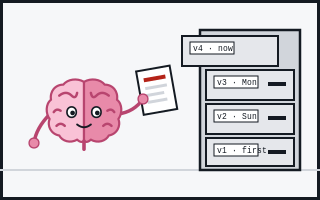
Built by your brain, not bought as plugins.
A typical WordPress site runs a dozen or more plugins from a dozen authors, each one more code to update and trust. On flff, features are built for your site by its brain: from recipes in a public library you can read on git.flff.fi, into files that are yours, readable, and in your site's history. And when a feature should talk to another service, the brain writes the connector too.
Contact form plugin
Becomes a command: check the fields, add a row, tell you in your Inbox.
Shop plugin
Becomes the shop recipe: product pages from a list, Stripe checkout, orders where you can see them.
Newsletter plugin
Becomes a sign-up form that adds people to your Mailchimp audience, through a connector.
Coming from WordPress?
Bring the site with you. An archive rescue or a platform move rebuilds it as fast, plain pages with your posts and pictures, and the brain takes over what the plugins did. Drupal, Joomla, Squarespace and Wix sites come over the same way. Bring your old sites back →
Try the new way.
Make an account, choose a plan, and your site is live in minutes. Moving from WordPress? Start with a rescue.